A nine-state case shows the value of connecting the theft to the fence
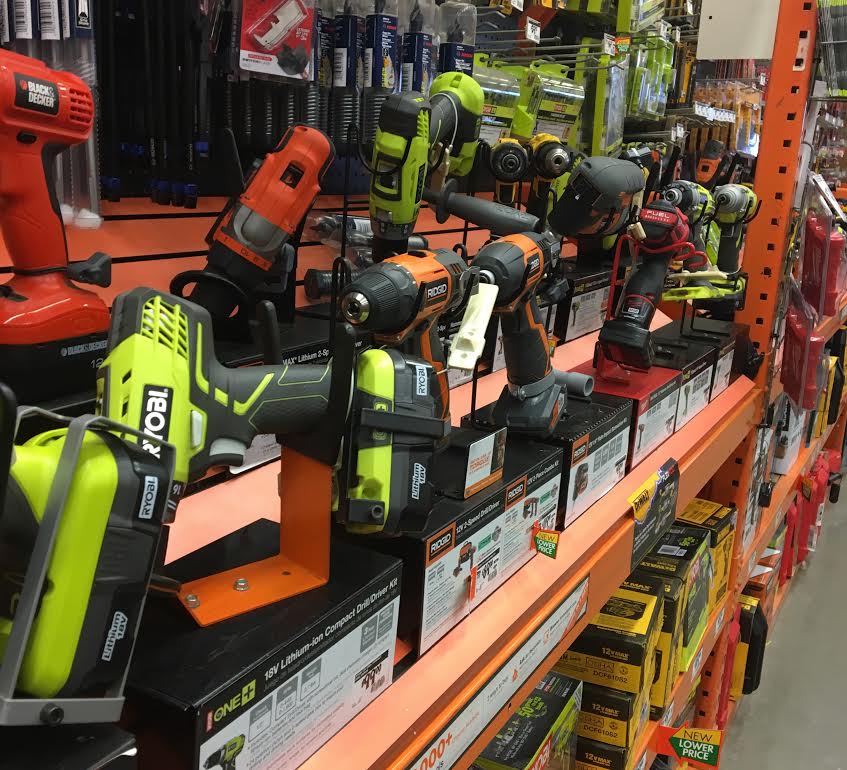
What changed: On October 5 the Queens district attorney announced that 13 defendants had pleaded guilty to felonies and been sentenced in a Home Depot theft and fencing case. The office documents 319 thefts across 128 stores in nine states over 13 months and attributes more than $2.2 million in losses to the operation. The underlying count and valuation are the prosecutor’s figures, not an independent audit.
Method: According to the district attorney’s account of the investigation, the crew checked store inventory through the retailer’s website and app, entered separately, used an earbud conference call, and moved goods in carts or a large bin. Goods were then sold to five fences. The case illustrates a shift from one store event to a chain of sourcing, movement and resale; those details are specific to this case.
Source Desk · October 5: Queens district attorney release and sentencing detail · DA weekly update. Independent case-file review was unavailable.
RFID helped follow merchandise to a nearby resale outlet
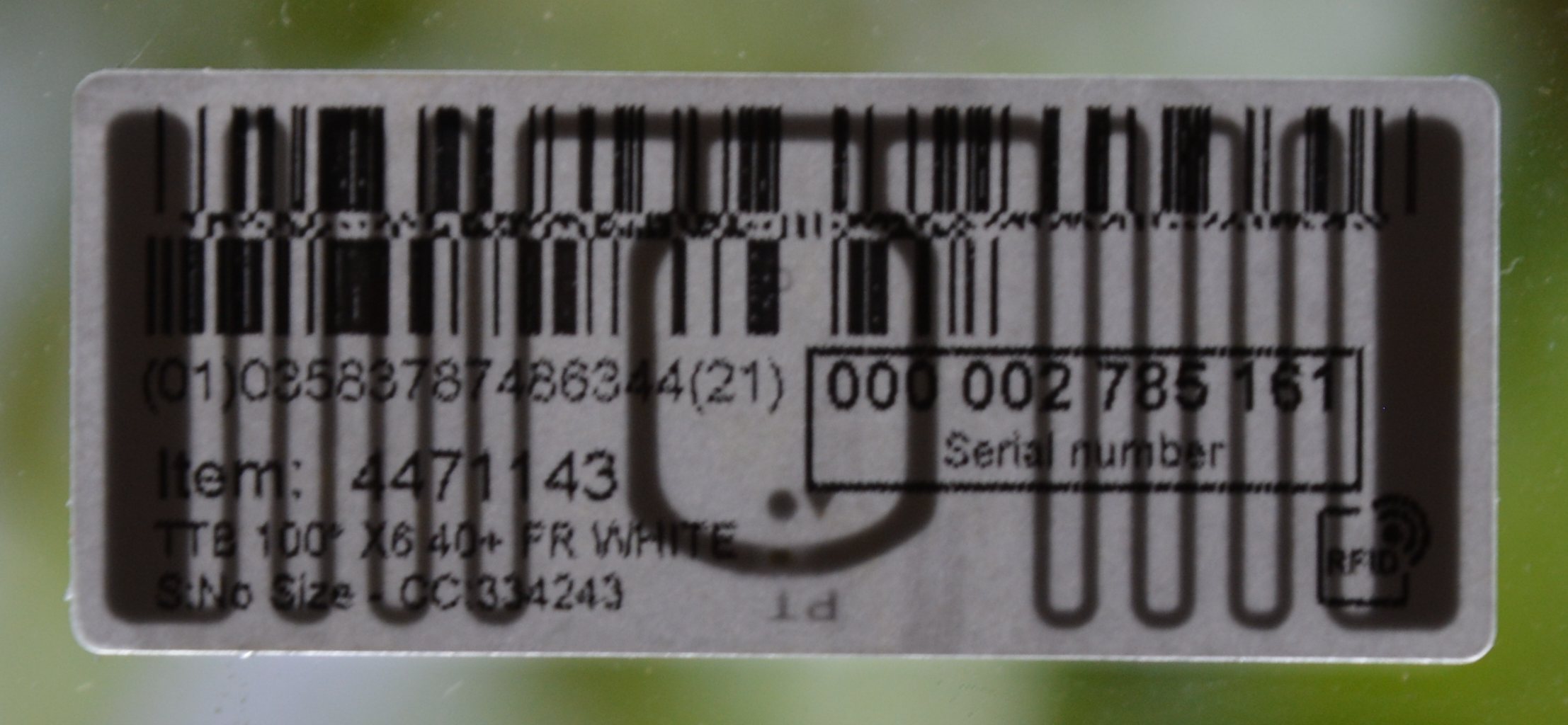
A Manhattan jury convicted two defendants of possessing more than $50,000 in goods stolen from Macy’s, the district attorney reported October 5. The prosecutor says its office and Macy’s private investigators used RFID to track goods from the flagship store to a cosmetics shop several blocks away. This is a documented use of a retail identifier in an investigation, not evidence that every RFID event identifies a person or proves a theft.
AP/LP contribution: The office specifically credits Macy’s private investigators with collaborating on the RFID tracing. Others established: The jury reached the criminal verdict; prosecutors described the resale route and goods. Unknown: The public statement does not explain the tag-read method, validation process or evidentiary chain in enough detail to generalize a technical workflow.
Source Desk · October 5: Manhattan district attorney statement · NIST video exchange background. RFID details are limited to the prosecutor’s account.
A federal coordination bill remains a proposal
In an October 2 statement, the National Police Association urged Senate passage of the Combating Organized Retail Crime Act (S. 1404 / H.R. 2853). The introduced Senate text proposes a federal coordination center for organized retail and supply chain crime. Advocacy for the measure does not make it enacted law or change an officer’s sharing authority.
Source Desk · October 2 advocacy / introduced bill: National Police Association statement · introduced Senate bill text. Legislative status should be checked before operational reliance.
Regional beat: no new retail-crime rule verified
For this issue, we found no independently verified Missouri or Kansas retail-crime statute or Kansas City policy change to report. The Issue 01 regional baseline remains background. The Missouri ORCA remains a public route for qualified retail and law-enforcement collaboration; its membership rules restrict sensitive information and access.
Source Desk · checked October 12: Missouri ORCA membership rules · Missouri attorney general release index · regional background. This quiet beat is not a comprehensive legal-status certification.
A two-column evidence check before linking incidents
Use an approved case system to place observed fact beside inference to test. For each incident, record the source file, time and clock offset, product or serial identifier, report number, custodian and who made the comparison. The Queens case shows why a link can span stores and resale points; it does not mean matching products alone prove common actors.
Test: Ask a second authorized reviewer whether they can reproduce the proposed link from original records. If they cannot, mark the link provisional and fill the evidence gap. Never place restricted records in an unapproved personal tool.
Source Desk · standing guidance checked October 12: NIST digital video exchange · SWGDE DVR acquisition · Queens case. This is editorial workflow guidance, not forensic or employer policy.
Five actions for this week
- Capture product identifiers, exact times and report numbers for every event.
- Separate witnessed conduct from pattern or identity inferences.
- Preserve native video and tag data with source and custodian information.
- Validate any cross-store or resale link against a second record.
- Share a documented lead only through an authorized channel.
Professional networks worth knowing
Public contact pages checked October 12, 2026. Phone and email delivery have not been tested.
Missouri Organized Retail Crime Association
Statewide Missouri retail and law-enforcement collaboration. Membership is reviewed; business or government email required.
missouriretailassociationorca@gmail.com
Official membership page
ASIS Greater Kansas City Chapter
Local security education and networking serving Missouri and Kansas.
RILA–NDAA Vibrant Communities Initiative
Kansas City metro program through a national partnership of retailers, prosecutors, police and community stakeholders. Ask RILA about participation.
(202) 869-0200 · RILA headquarters
Official contact · initiative
CLEAR
National Coalition of Law Enforcement and Retail resource for training and networking.
(954) 410-8760
Media inquiries only: media@clearusa.org
Official site
Historical lead: Kansas City Organized Retail Crime Coalition. Current activity and contact remain unconfirmed; see historical reporting.
Corrections, photographs and verification
Send corrections, leads or a photograph you are authorized to share to editor@lpfieldintel.com. Include photographer, original source and usage permission. Do not send restricted case evidence without confirmed authority. Prosecutor totals and claims are attributed; the linked records and limits appear in each Source Desk. This is informational industry reporting, not legal advice or employer policy.