A nine-month theft series puts record consistency ahead of guesswork
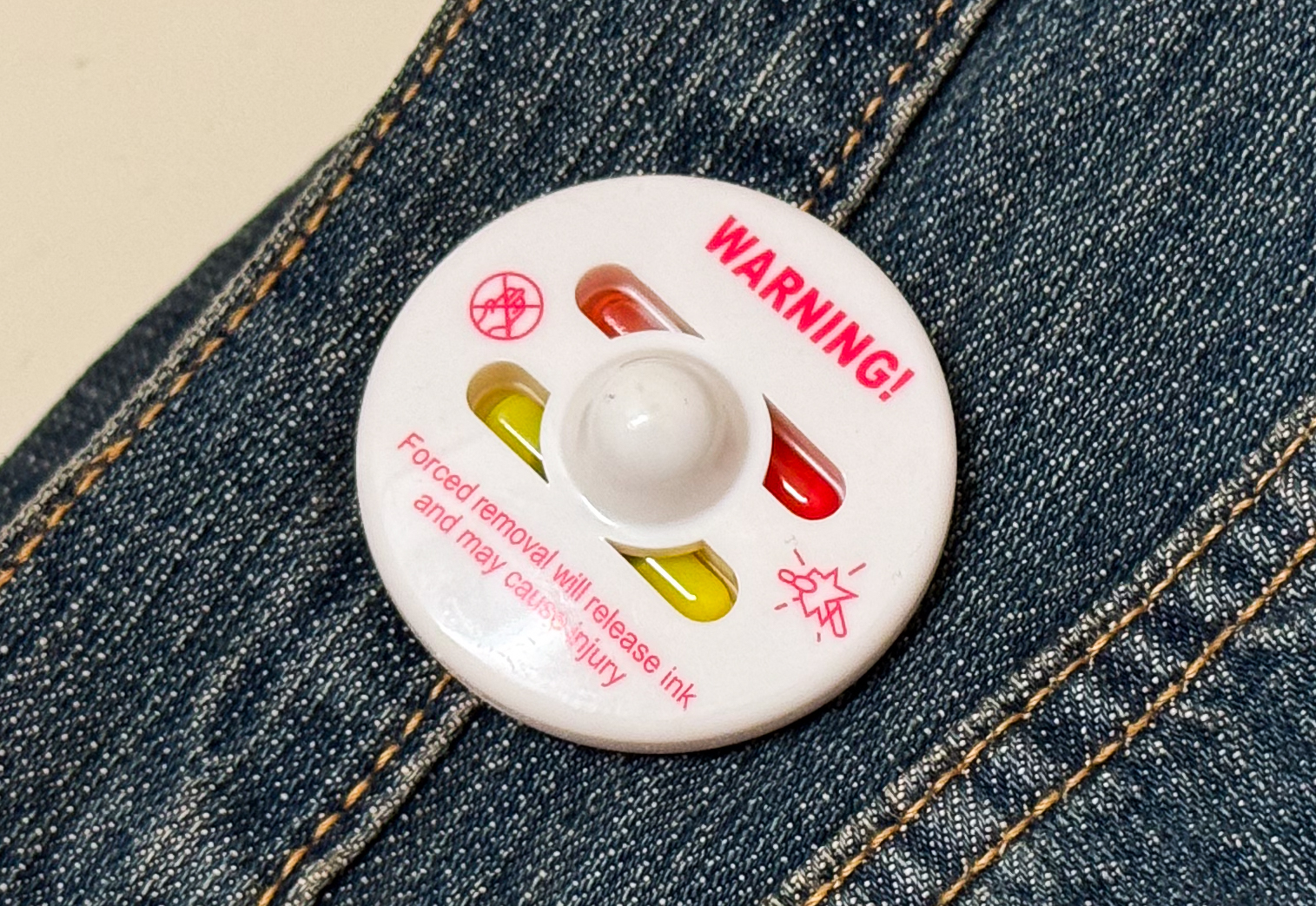
What changed: Toronto Police reported on October 16 that a group was alleged to have committed numerous thefts at locations of one retailer between January 14 and October 11, with combined losses estimated at CAD $35,606.80. An October 18 police update said three people had been arrested and charged and two remained sought. Charges are allegations; the accused are presumed innocent unless proven guilty.
What the public record does not show: The releases do not identify the retailer, item categories, store evidence package, comparison method or how the incidents were first linked. The loss total and relationship among events are police allegations, not an independent audit or adjudicated finding.
Source Desk · October 16-18: Toronto Police initial release · Toronto Police update · CityNews reporting · TorontoToday update. Independent case files were unavailable.
Preserved store evidence can matter even when no arrest happens at the door
San Francisco Police reported in September that its officers made 844 retail-theft arrests during the preceding six months, 27% more than in the prior six-month period. The department also said its Organized Retail Crime Task Force works with loss prevention to preserve evidence when there is no immediate arrest. Those are department-reported figures, not an independent effectiveness study.
AP/LP contribution: SFPD expressly credits loss prevention with evidence preservation and described a separate REI partnership used to investigate six theft incidents tied to a primary suspect. Others established: Police described the arrests, warrants and task-force work. Unknown: Public releases do not disclose complete evidence inventories, denominator data, prosecution outcomes for all arrests or enough detail to attribute the reported change to one tactic.
Source Desk · September records, rechecked October 19: SFPD six-month release · SFPD REI case release · ABC7 report. Police totals were not independently audited here.
No newly verified federal operating change
This issue found no supported federal retail-crime change that alters current store-level evidence or referral practice. The previously introduced Combating Organized Retail Crime Act remains background, not an operating intake channel for frontline officers. Because legislative status can change, verify current official status before relying on it.
Source Desk · checked October 19: introduced Senate text · RILA-NDAA VCI operating description. This quiet beat is not a comprehensive legal-status certification.
Regional beat: preserve the jurisdiction before applying the threshold
No new Missouri or Kansas retail-crime rule or Kansas City policy change was independently verified for this issue. Kansas Statute 21-5841 remains a useful regional baseline: it defines organized retail crime around coordinated conduct and aggregate retail market value of at least $5,000 within 12 months, with venue language tied to counties where merchandise is taken, received, sold or purchased. It does not replace store policy or a prosecutor's case-specific direction.
Source Desk · checked October 19: Kansas Revisor 21-5841 · Missouri attorney general release index · Issue 01 regional baseline. No new local rule is claimed.
Build an event packet another reviewer can reproduce
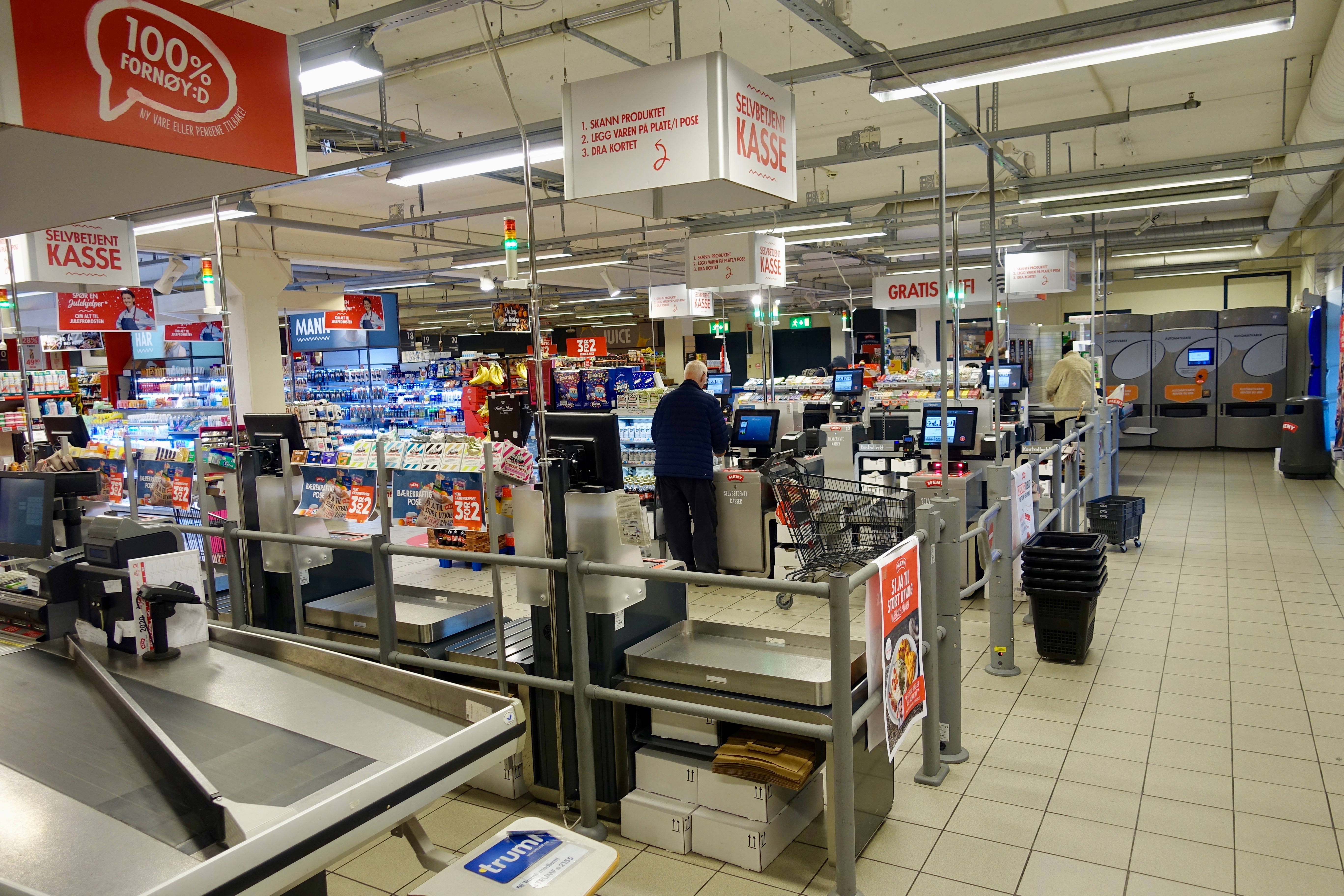
Before asking whether two events connect, assemble the same packet for each: native video export, source camera and system, displayed time plus measured offset, exact SKU/UPC or serial, item count and valuation source, transaction or exception record, incident and police report numbers, observed subject or vehicle details, and evidence custodian.
Reproduction test: Give a second authorized reviewer the two packets without your conclusion. If the reviewer cannot find the same proposed match from original records, keep the connection provisional and document the missing field.
Source Desk · standing guidance checked October 19: NIST digital video exchange · SWGDE DVR acquisition · Toronto Police case update. This is vendor-neutral editorial workflow guidance, not a forensic standard or employer policy.
Five actions for this week
- Export native video covering approach, selection, concealment or movement, and exit when policy permits.
- Record the source system's displayed time and its measured difference from a trusted clock.
- Capture exact SKU, UPC or serial, item count, valuation source and currency.
- Separate directly observed conduct from identity, intent and series inferences.
- Route a possible cross-location match through an authorized case system with its source records attached.
Professional networks worth knowing
Official public pages checked October 19, 2026. Phone and email delivery have not been tested.
Missouri Organized Retail Crime Association
Statewide Missouri retail and law-enforcement collaboration. Membership is reviewed; a business or government email is required.
missouriretailassociationorca@gmail.com
Official membership page
ASIS Greater Kansas City Chapter
Local security education and networking serving the Kansas City area in Missouri and Kansas.
RILA-NDAA Vibrant Communities Initiative
Kansas City metro program bringing retailers, prosecutors, police and community stakeholders together. Ask RILA about participation.
(202) 869-0200 · RILA headquarters
Official contact · initiative
CLEAR
National Coalition of Law Enforcement and Retail resource for public-private training and networking.
(954) 410-8760
Media inquiries only: media@clearusa.org
Official site
Historical lead: Kansas City Organized Retail Crime Coalition. Current activity and contact remain unconfirmed; see historical reporting.
Corrections, photographs and verification
Send corrections, leads or a photograph you are authorized to share to editor@lpfieldintel.com. Include photographer, original source and usage permission. Do not send restricted case evidence without confirmed authority. Police totals and allegations are attributed; the linked records and limits appear in each Source Desk. This is informational industry reporting, not legal advice or employer policy.